top of page


Let's take a walk.
For decades, Gianna Smart and Laura Hawkes have shared a love of nature, history, and all things nerdy. What began as a friendship rooted in curiosity grew into countless walks, conversations, and a deep appreciation for the natural beauty and stories woven throughout Healdsburg. Tree walk healdsburg was born from that shared passion — an invitation to slow down, look up, and discover the remarkable trees and hidden history that make this town so special.

01
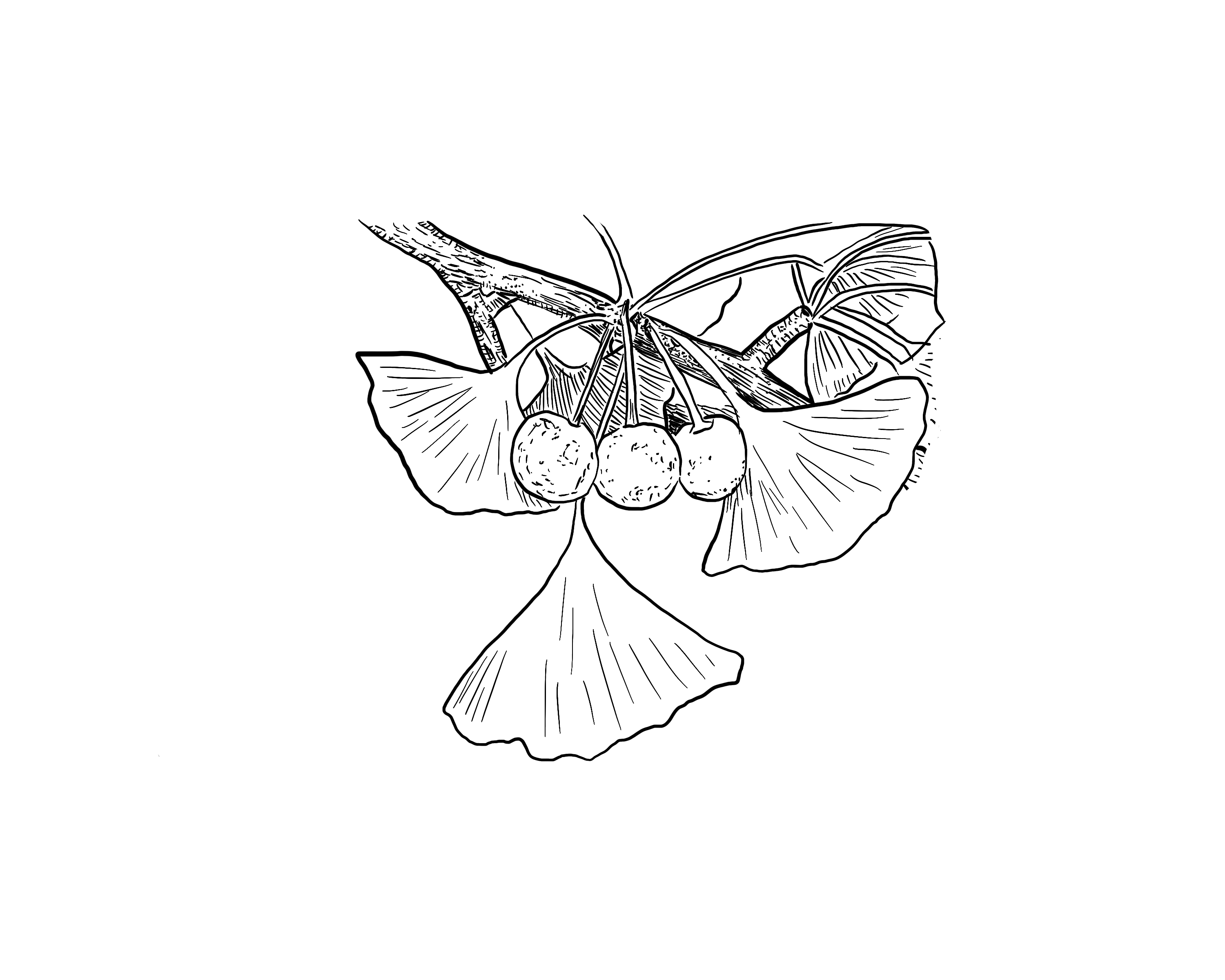
Gingko
Also know as maidenhair tree, Ginkgo biloba is a living fossil that has changed very little in millions of years.

02
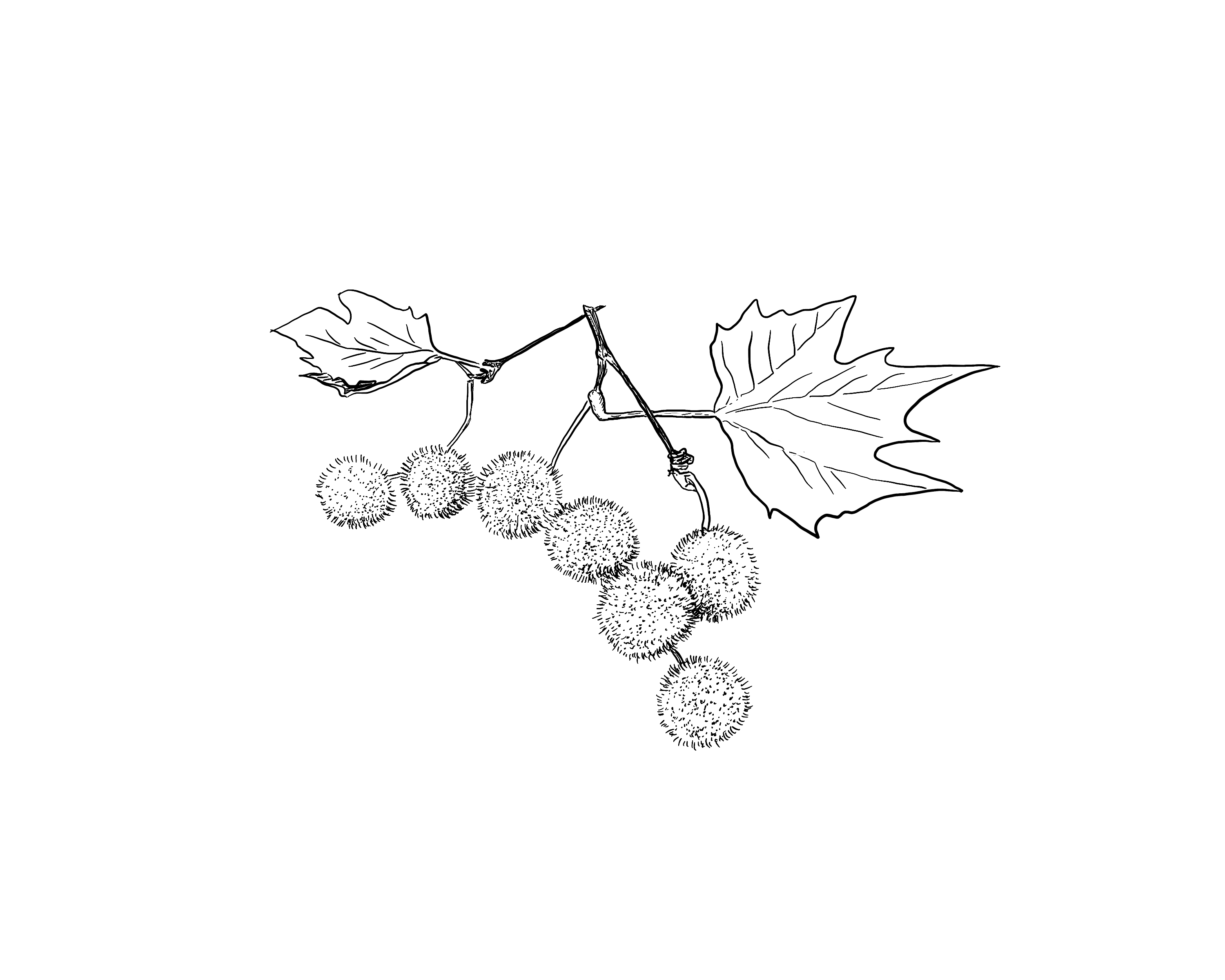
London Plane
Sporting distinctive multicolored peeling bark, the London plane tree provides dense shade with large, maple-like leaves.

03
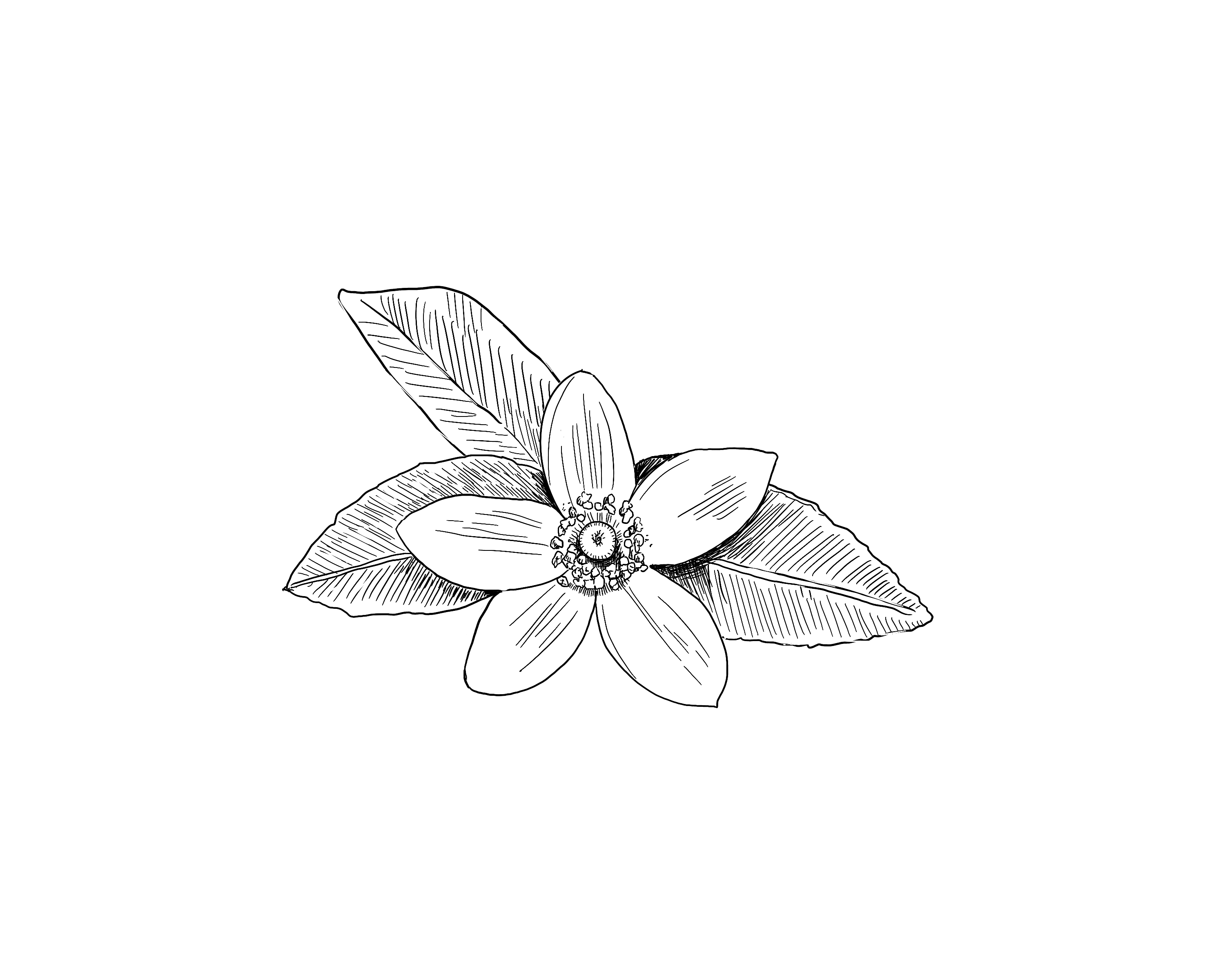
Orange Blossom
Orange trees have historically been a key feature of the Healdsburg Plaza, associated with the town’s early 20th-century tropical landscape design. These trees, most likely bred by Luther Burbank, were planted along with palms, creating a unique urban grove

04
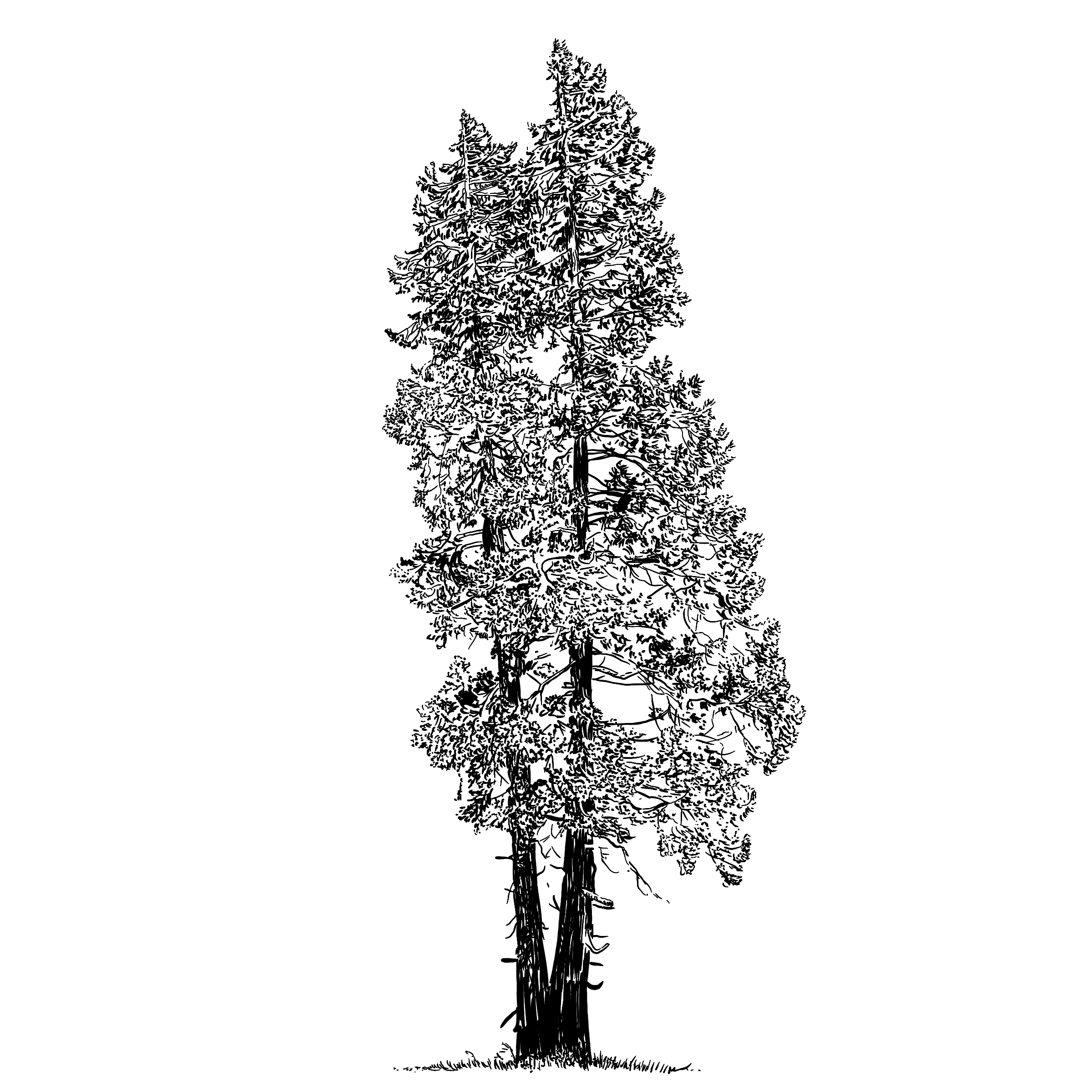
Incense Cedar
The incense cedar is the primary source for high-quality
wooden pencils and is widely used in fencing, exterior siding,
interior paneling and storage chests, due to its exceptional
durability and resistance to decay and insects.

05
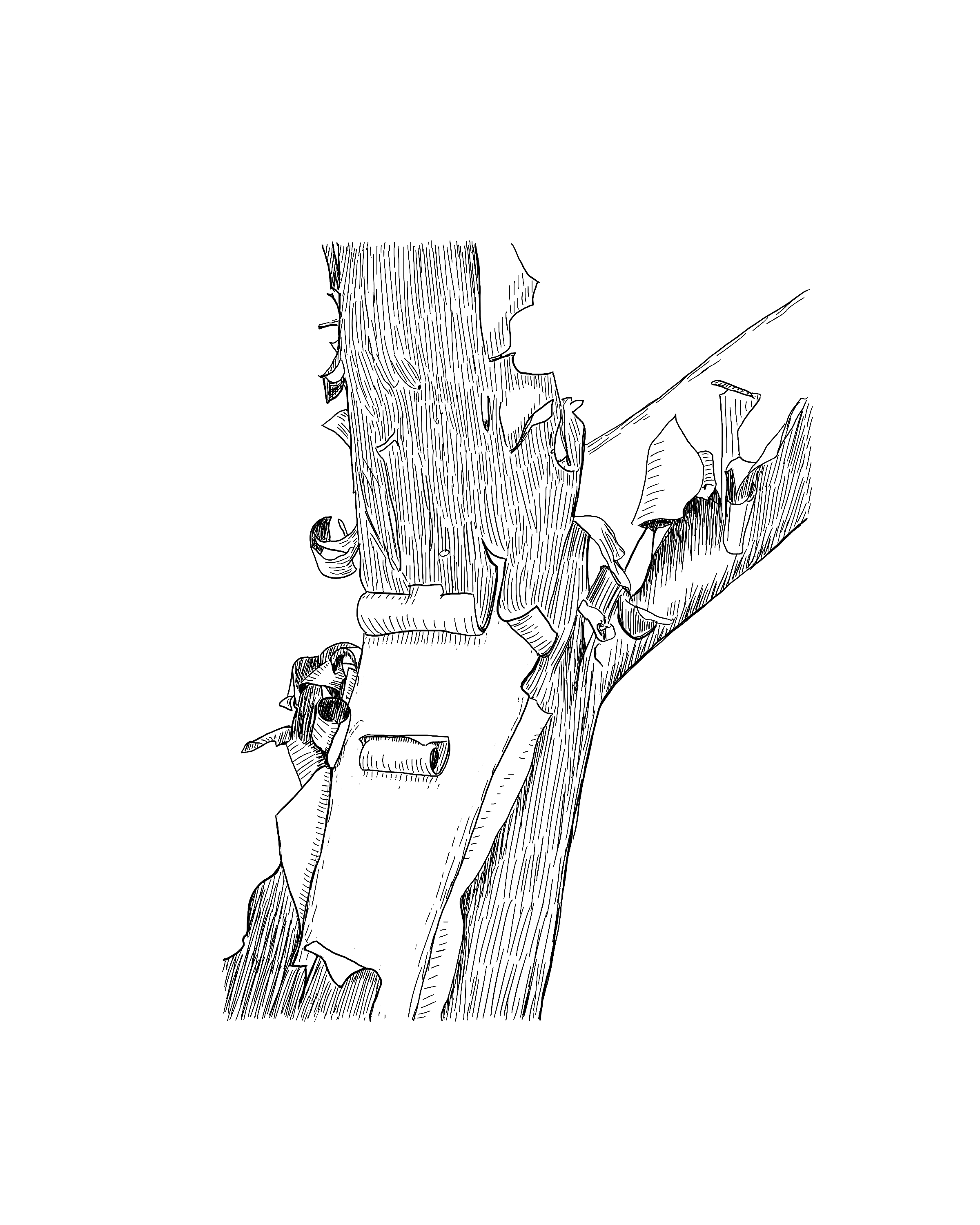
Madrone Bark
The madrone is native to the coastal regions of western North America. Its most famous feature is the thin, cinnamon-red bark that peels away in summer to reveal smooth, chartreuse-green inner bark.

06
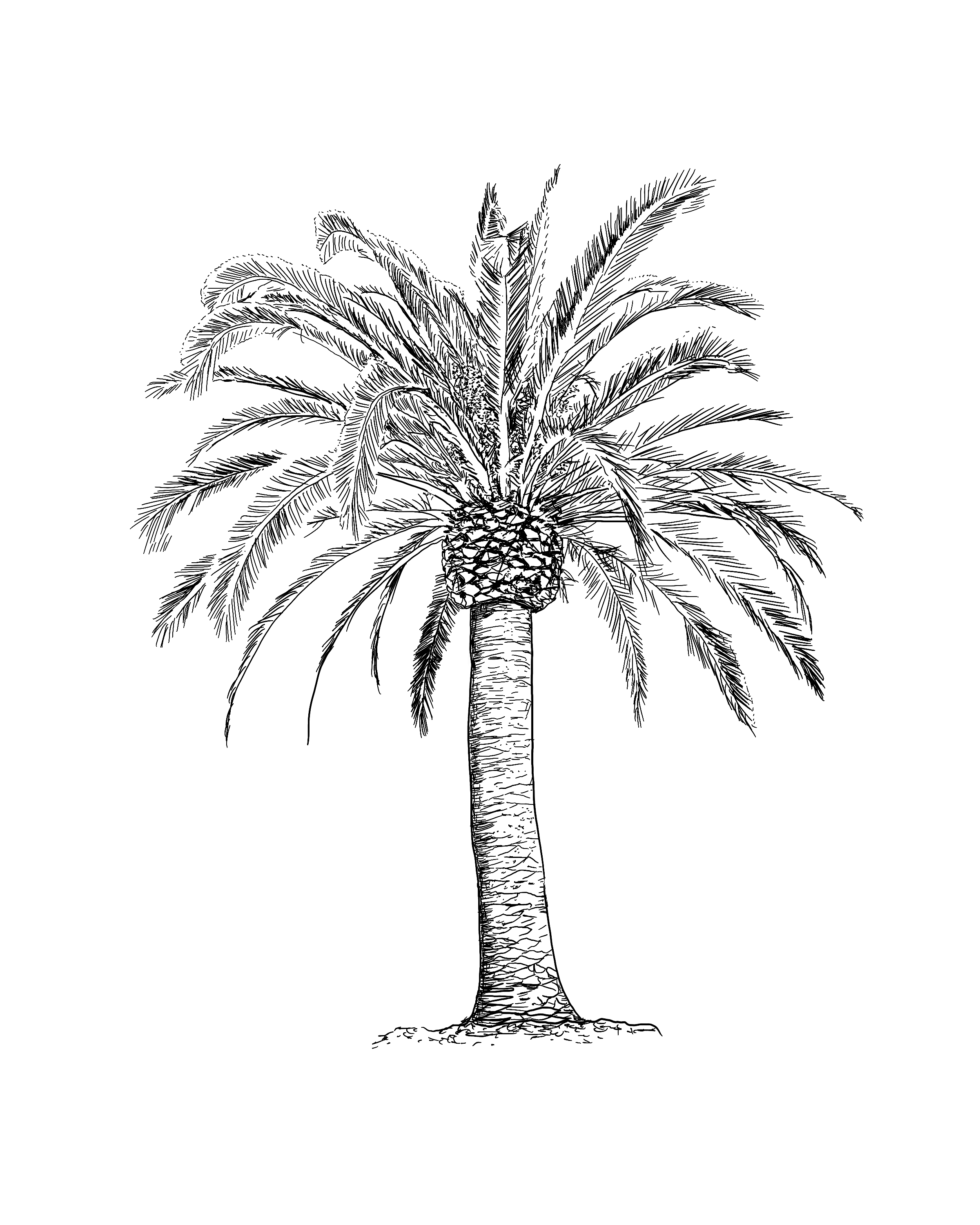
Canary Island Date Palm
As part of a campaign to
promote the town as a tropical paradise, 4 “pineapple palms,” as they are also called, were planted in the Plaza in 1897. Many more line Healdsburg Avenue north of Memorial Bridge, which was the original entrance to town.

07
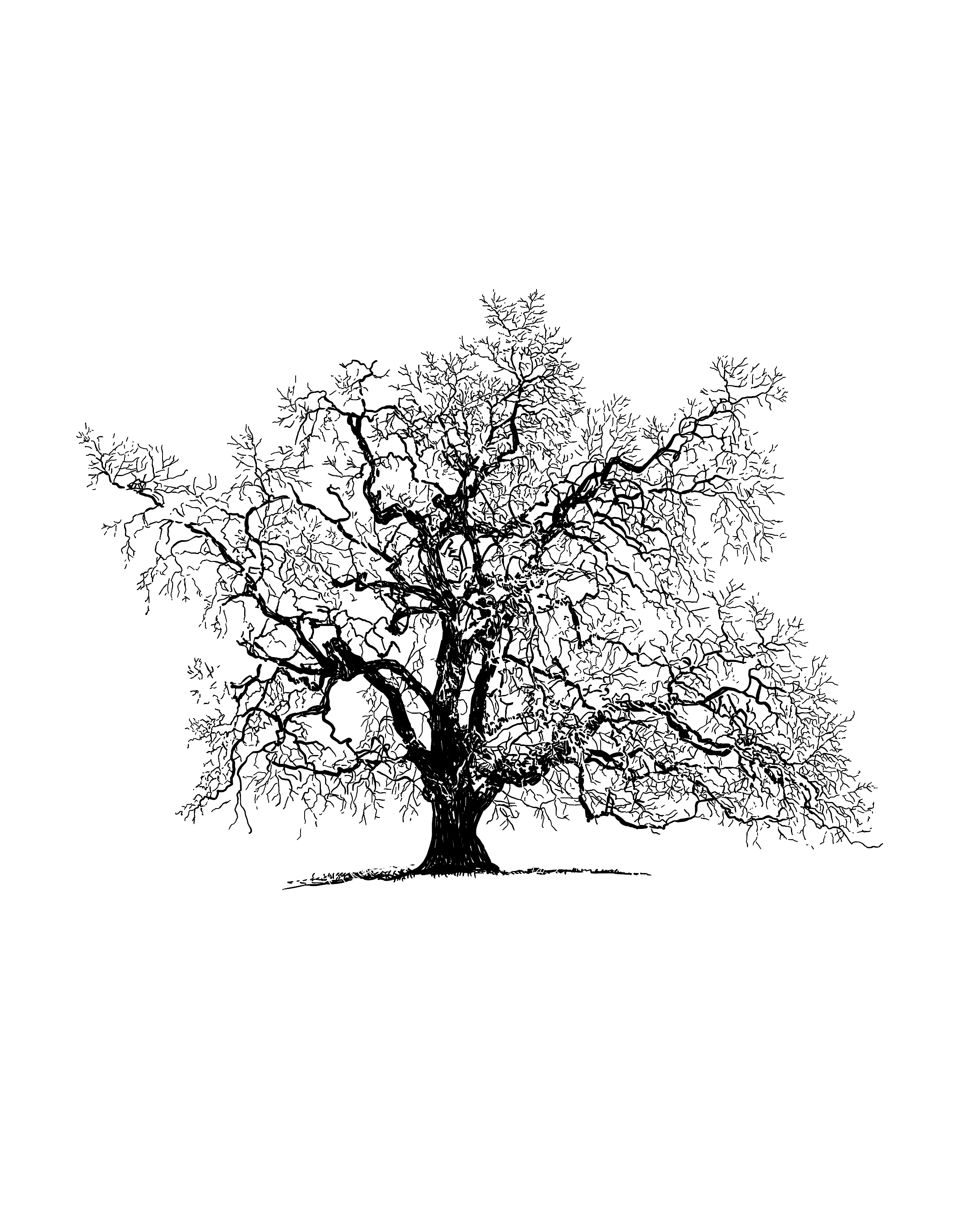
Valley Oak
The valley oak was chosen as the official city plant of Healdsburg in 2025 as a symbol of longevity and resilience. Endemic to California, it is known for its broad, arching canopy and deeply lobed leaves.

08
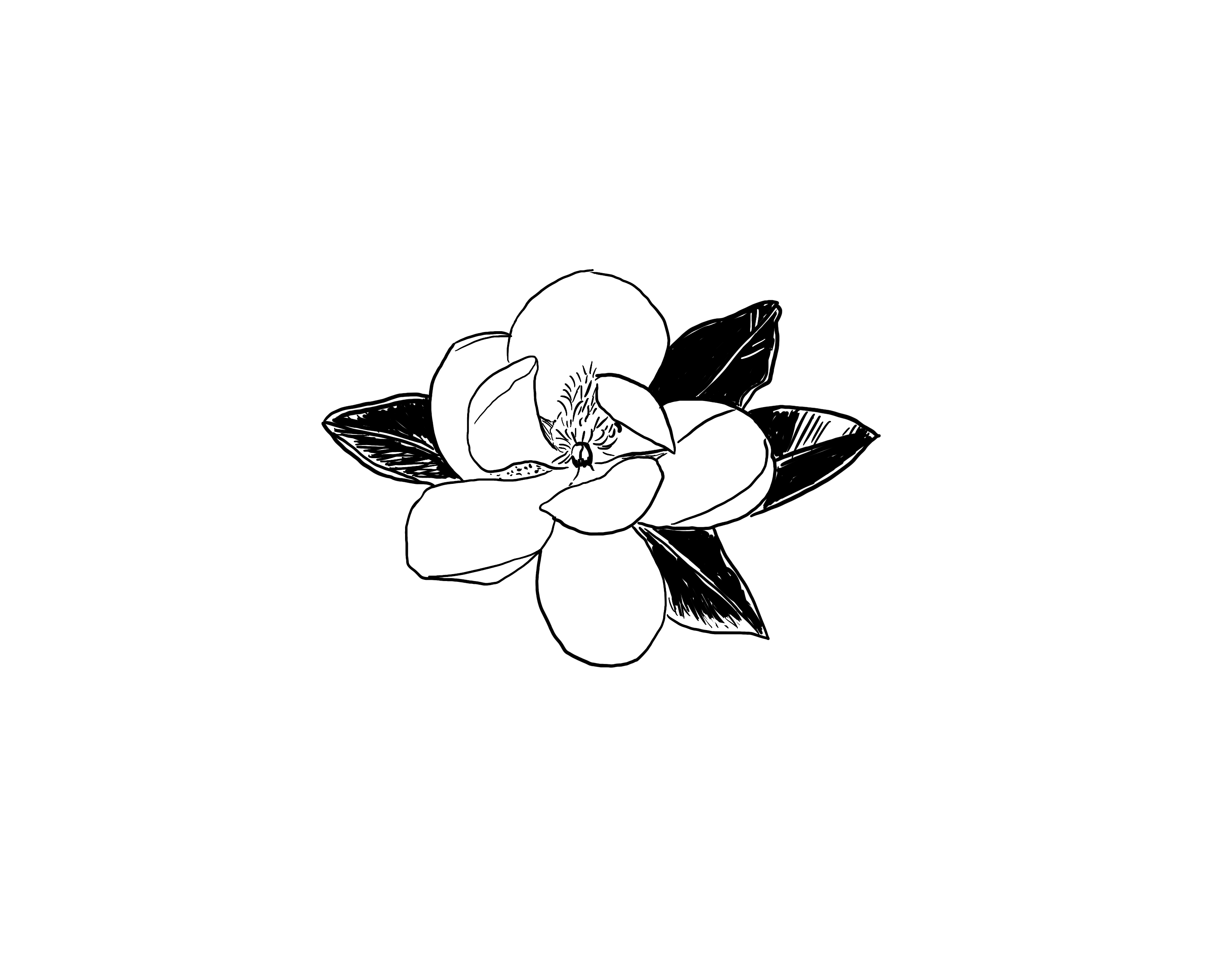
Southern Magnolia
With suede-like, massive creamy white blossoms, the Magnolia is a symbol of hospitality from coast to coast. It evolved before bees - and is pollinated by beetles!
01 / 08
Gingko
Also know as maidenhair tree, Ginkgo biloba is a living fossil that has changed very little in millions of years.
01
Gingko
Also know as maidenhair tree, Ginkgo biloba is a living fossil that has changed very little in millions of years.
02
London Plane
Sporting distinctive multicolored peeling bark, the London plane tree provides dense shade with large, maple-like leaves.
03
Orange Blossom
Orange trees have historically been a key feature of the Healdsburg Plaza, associated with the town’s early 20th-century tropical landscape design. These trees, most likely bred by Luther Burbank, were planted along with palms, creating a unique urban grove
04
Incense Cedar
The incense cedar is the primary source for high-quality
wooden pencils and is widely used in fencing, exterior siding,
interior paneling and storage chests, due to its exceptional
durability and resistance to decay and insects.
05
Madrone Bark
The madrone is native to the coastal regions of western North America. Its most famous feature is the thin, cinnamon-red bark that peels away in summer to reveal smooth, chartreuse-green inner bark.
06
Canary Island Date Palm
As part of a campaign to
promote the town as a tropical paradise, 4 “pineapple palms,” as they are also called, were planted in the Plaza in 1897. Many more line Healdsburg Avenue north of Memorial Bridge, which was the original entrance to town.
07
Valley Oak
The valley oak was chosen as the official city plant of Healdsburg in 2025 as a symbol of longevity and resilience. Endemic to California, it is known for its broad, arching canopy and deeply lobed leaves.
08
Southern Magnolia
With suede-like, massive creamy white blossoms, the Magnolia is a symbol of hospitality from coast to coast. It evolved before bees - and is pollinated by beetles!
bottom of page